
Introduction to Accounting Principles
Learn the fundamental accounting concepts, double-entry system, and basic financial statements.
- 25 hours
- Stage: University basics
- Language: English
- Voice: English ✔
What you will learn
- Explain the accounting equation and record journal entries for common business transactions, showing that assets equal liabilities plus equity after every entry.
- Prepare basic financial statements (balance sheet, income statement, cash flow) from a trial balance, and show how the three statements link to each other.
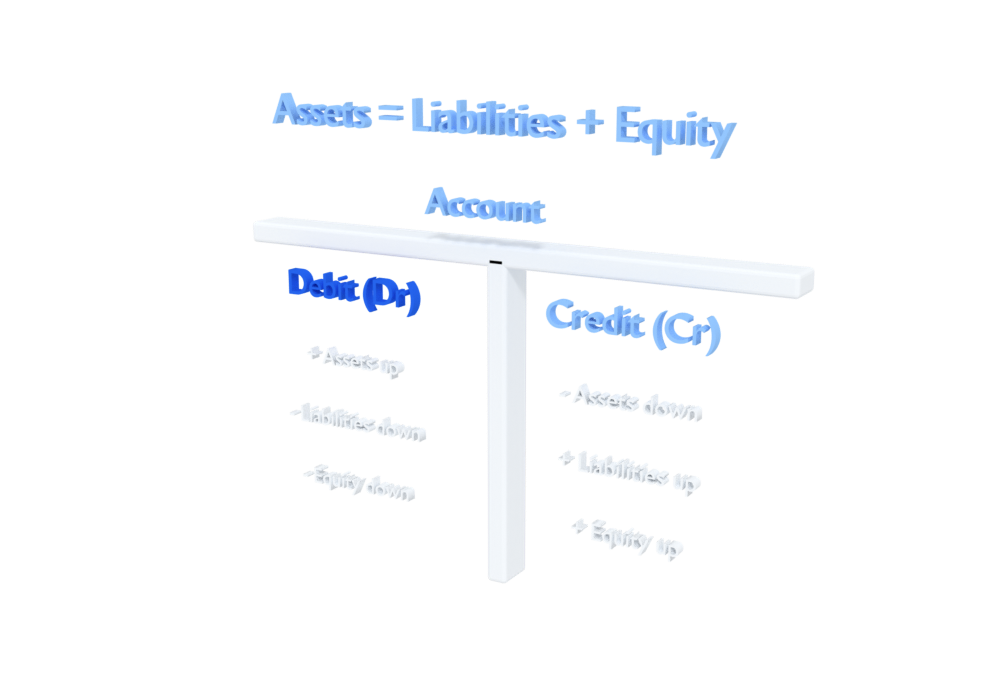
- Apply the double-entry system correctly by posting equal debits and credits to T-accounts and the general ledger and tracing each balance back to its entry.
- Explain the principles of accrual vs. cash accounting and restate a set of transactions under both methods to show the difference in reported profit.
- Reconcile accounts with trial balances and adjust discrepancies by tracing errors such as transposed digits, omitted postings and one-sided entries, then correcting them with documented entries.
- Prepare and post adjusting entries for prepayments, accruals and deferrals, including unearned revenue, accrued expenses and prepaid costs, at period end.
- Prepare bank reconciliation statements and analyze cash discrepancies such as outstanding checks, deposits in transit, bank fees and errors, and record the needed adjusting entries.
- Analyze statements of cash flows: operating, investing and financing activities, and explain why a profitable business can still run short of cash.
- Classify accounts into assets, liabilities, equity, revenue and expenses, and state each account's normal balance and where it appears in the financial statements.
- Explain closing entries and prepare a post-closing trial balance, showing how temporary accounts are reset to zero and retained earnings is updated.
Syllabus
Module 1Why Accounting Has Rules3 hours
Core concepts · business entity · going concern · GAAP and IFRS · comparable statements · source documents
- Business entity and going concern
- Matching, materiality, consistency and prudence
- Applying the concepts to a short case
- Why reporting frameworks exist — GAAP and IFRS
- Finding a rule in a framework summary
- Why same rules make statements comparable
- From a business event to a record
- Invoices, receipts, purchase orders and bank statements
- Matching a month of documents to entries
Module 2Accounts and the Accounting Equation3 hours
Five account types · normal balances · chart of accounts · account codes · accounting equation · first journal entries
- The five account types
- Normal balances and where accounts appear
- Classifying the accounts of a small shop
- What a chart of accounts does
- A numbering scheme and a spreadsheet template
- Designing the chart for a small bakery
- The accounting equation
- Writing a journal entry
- Common transactions, step by step
Module 3Double Entry and the Ledger3 hours
Why double entry works · debits and credits · T-accounts · general ledger · a month of transactions · trial balance
- Why every entry has two sides
- Spotting errors through imbalance
- One purchase and one sale, traced through
- Debits and credits — the rules
- Posting to T-accounts and the general ledger
- Tracing a balance back to its entries
- The monthly bookkeeping routine
- Setting up a spreadsheet ledger
- A month of transactions for a small shop
Module 4Checking Books and Period-End Adjustments3 hours
Trial balance errors · correcting entries · cash vs accrual · prepaid costs · accrued expenses · unearned revenue
- What a trial balance proves and does not prove
- Tracing transposed digits and one-sided entries
- Correcting errors with documented entries
- Cash accounting versus accrual accounting
- Restating transactions under both methods
- Why reported profit differs — a worked case
- Why period-end adjustments are needed
- Prepaid costs, accrued expenses and unearned revenue
- Adjusting a month-end trial balance
Module 5The Financial Statements3 hours
Income statement · balance sheet · cash flow statement · how they link · reading a small business · profit vs cash
- What each statement shows
- Building the statements from a trial balance
- How the three statements link
- Reading the balance sheet in plain words
- Reading the income statement in plain words
- A small local business, read end to end
- Operating, investing and financing activities
- Preparing and checking a cash flow statement
- Why a profitable business can run short of cash
Module 6Valuing Inventory, Assets and Receivables3 hours
FIFO · weighted average · cost of goods sold · straight-line depreciation · declining balance · doubtful accounts
- Inventory and cost of goods sold
- FIFO and weighted average, step by step
- When prices rise, which method shows more profit
- Why assets are depreciated
- Straight-line and declining-balance calculations
- Depreciation entries and their effect on profit
- Credit sales and doubtful accounts
- Estimating and recording the allowance
- Writing off a customer balance — a worked case
Module 7Cash, Controls and Ethics3 hours
Bank reconciliation · outstanding checks · segregation of duties · authorization limits · fraud risk · honesty and objectivity
- Why the bank and the books differ
- Preparing a bank reconciliation
- Fees, errors and the adjusting entries
- Internal controls and why they matter
- A control checklist for a small business
- Spotting the gap in a fraud-risk case
- Honesty, objectivity and confidentiality
- A decision path for ethical questions
- The manager who wants a better profit
Module 8Closing the Cycle and Next Steps4 hours
Closing entries · post-closing trial balance · common mistakes · review checks · full accounting cycle · link to later courses
- Temporary and permanent accounts
- Preparing closing entries
- The post-closing trial balance
- Where bookkeeping mistakes come from
- Review checks before statements are issued
- Catching three planted mistakes
- The accounting cycle from start to finish
- Running the cycle in a worksheet
- Full-cycle case for a small business
- What Financial Statement Analysis builds on
- What Advanced Financial Reporting builds on
- Your course map and next steps