
Strategy Foundations
Assess external environments, industry forces, competition and design resilient business models.
- 25 hours
- Stage: University basics
- Language: English
- Voice: English ✔
What you will learn
- Conduct PESTEL analyses of political, economic, social, technological, environmental and legal factors and rank which trends matter most for a chosen industry.
- Apply Porter’s Five Forces to judge industry attractiveness and explain how each force affects profit potential.
- Map competitor landscapes and assess strengths/weaknesses, comparing rivals on offer, price, capabilities and likely responses.
- Compare business-model options by how they create, deliver and capture value, using side-by-side examples from real companies.
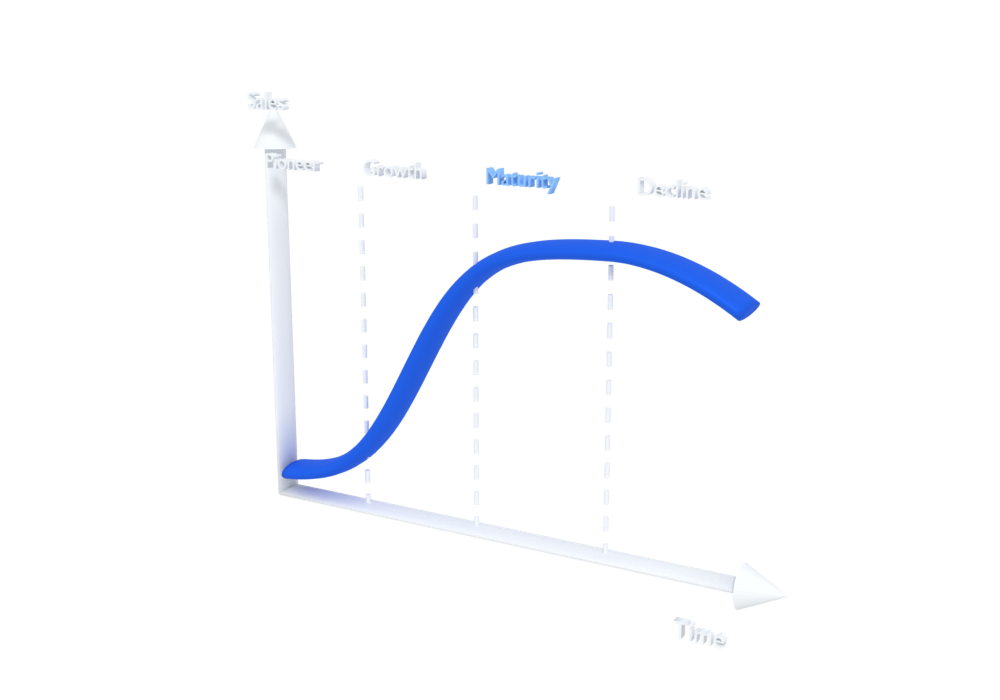
- Analyze industry life-cycle stages and explain how growth, competition and profitability change at each stage.
- Identify key strategic groups and mobility barriers, and show how they protect some firms and limit the moves of others.
- Assess disruptive threats and emerging business models, and judge how fast and how seriously they could change an industry.
- Evaluate resource-based competitive advantages using the value, rarity, imitability and organization questions (VRIO) to separate lasting strengths from temporary ones.
- Build resilient business-model canvases that name segments, value propositions, channels, revenue and costs, and test them for weak points.
- Formulate testable strategic hypotheses, each with a measurable prediction, the evidence that would disprove it and a low-cost way to test it.
Syllabus
Module 1What Strategy Is3 hours
Where to compete and how to win · vision, mission, strategy, tactics and goals · corporate, business-unit and functional levels · why industry structure and resources matter · trade-offs
- Strategy as choices: where to compete, how to win
- Vision to goals: filling the strategy ladder
- Case: a neighbourhood pharmacy chooses where to compete
- Three levels of strategy
- Linking the levels: a cascade worksheet
- Example: a retail group with a grocery unit and a fashion unit
- Why industry structure shapes profit
- Why resources explain performance gaps
- Trade-offs in practice: a budget and a full-service airline
Module 2Evidence and the Outside Environment3 hours
Facts, assumptions and opinions · common analysis mistakes · public sources · source reliability · PESTEL factors · ranking trends
- Facts, assumptions and opinions
- Labelling a paragraph: a simple colour-code check
- Common mistakes: endless lists and outdated data
- Public sources and what each one is good for
- Source log: citing and rating every source
- Example: a first research pass on the soft drinks industry
- PESTEL: six lenses on the outside world
- Doing a PESTEL: template and ranking grid
- Example: PESTEL for online food delivery
Module 3Industry Structure and Life Cycle3 hours
Five forces · industry attractiveness · life-cycle stages · strategic groups · mobility barriers
- The five forces and why they set profit
- Scoring an industry: the Five Forces worksheet
- Example: Five Forces on the restaurant industry
- The industry life cycle: from introduction to decline
- Placing an industry on the curve: a stage checklist
- Example: how competition changed as mobile phones matured
- Strategic groups and mobility barriers
- Drawing a strategic group map
- Example: premium, mass and budget groups in the car market
Module 4Competitors and Business Models3 hours
Competitor mapping · strengths and weaknesses · likely responses · create, deliver and capture value · platform, subscription and marketplace models · network effects
- Who competes with you: direct, indirect and new rivals
- The competitor comparison grid
- Example: the rivals of a local coffee chain
- How a business model creates, delivers and captures value
- Comparing models side by side: a template
- Example: a gym chain, a pay-per-class studio and a workout app
- Platform, subscription and marketplace models
- Revenue map: who pays whom in each model
- Network effects in action: ride-hailing against taxis
Module 5Sources of Competitive Advantage3 hours
Value chain · primary and support activities · cost leadership, differentiation and focus · stuck in the middle · VRIO
- The value chain: primary and support activities
- Mapping a value chain: a step-by-step template
- Example: the value chain of a clothing brand
- Cost leadership, differentiation and focus
- Choosing a way to compete: a fit checklist
- Example: stuck in the middle, a hotel trying to do it all
- Resource-based advantage and the VRIO questions
- The VRIO scorecard: rating resources one by one
- Example: a lasting strength and a temporary one in retail
Module 6Disruption and Bringing Findings Together3 hours
Disruptive threats · emerging business models · early signals · a real disruption case · combining findings · opportunities and threats ranked
- What makes a threat disruptive
- The early-signal watchlist: a disruption radar template
- Example: mobile wallets and traditional banks
- Case: a video rental chain and a streaming service
- Which tool would have flagged it? Tracing the signals
- Case review template: lessons for your own industry
- From findings to a shortlist
- The impact and likelihood grid: ranking the list
- Example: a ranked shortlist for a regional grocery chain
Module 7Designing and Testing Strategy3 hours
Business-model canvas · segments, value, channels, revenue and costs · weak points · testable hypotheses · disproving evidence · pre-mortem
- The canvas blocks: segments, value, channels, revenue, costs
- Filling in a canvas: a worked template
- Example: stress-testing a meal-delivery canvas
- What makes a strategic hypothesis testable
- The hypothesis card: prediction, evidence, cheap test
- Example: testing a new service with a small trial
- The pre-mortem: imagining failure before it happens
- Running a pre-mortem session: steps and template
- Example: a pre-mortem on opening a new branch
Module 8Ethics, Memo Writing and Application4 hours
Stakeholders and sustainability · reputation · analysis spreadsheet · canvas template · strategy memo · links to later courses
- Stakeholders, sustainability and strategic choice
- Stakeholder map and ethics check template
- Example: a sourcing choice and long-term reputation
- Setting up the analysis spreadsheet
- Completing the business-model canvas template
- Worked example: a finished analysis of one real company
- Answer first: the structure of a strategy memo
- Writing the memo: template, evidence and risks
- Example: editing a rambling memo into a clear one
- From external analysis to growth choices
- From analysis to marketing strategy
- From analysis to strategy execution