
Organizational Behavior & Design
Learn how people think, act, and work together in organizations—and get simple, practical tools to boost motivation, teamwork, and overall performance.
- 24 hours
- Stage: University basics
- Language: English
- Voice: English ✔
What you will learn
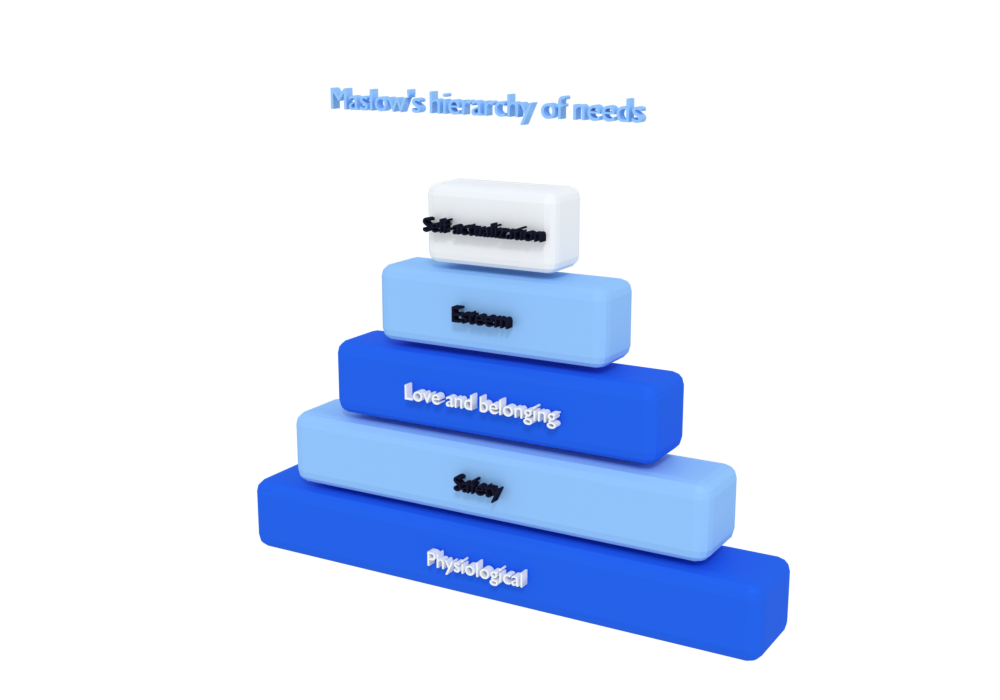
- Analyze individual motivations using Herzberg and Maslow frameworks, applying each to a workplace example to identify which needs a manager can influence.
- Diagnose team roles and norms via the Belbin Team Roles model, and identify role gaps or overlaps that affect a team’s balance and results.
- Evaluate organizational culture with the OCP framework and Schein’s levels, separating visible artifacts from espoused values and underlying assumptions with evidence from a real organization.
- Compare transformational and transactional leadership approaches by describing the behaviors, strengths, limits and situations in which each works best.
- Resolve team conflicts through Thomas-Kilmann conflict modes by selecting the mode—competing, collaborating, compromising, avoiding or accommodating—that fits the situation and justifying the choice.
- Design and implement change-management plans using ADKAR, with an action for each stage—awareness, desire, knowledge, ability and reinforcement—and a way to check progress.
- Make ethical decisions considering stakeholder impacts by identifying who is affected, weighing benefits and harms, and explaining the reasoning behind the chosen option.
- Identify personal leadership style using 360-feedback insights, compare self-perception with the views of others and set one or two development actions.
- Drive team engagement through participatory decision-making by choosing the right level of involvement—inform, consult or decide together—for each type of decision.
- Measure behavioral and engagement outcomes via surveys and performance metrics, designing fair questions and reading results without over-interpreting them.
Syllabus
Module 1Understanding People at Work3 hours
What organizational behavior studies · individual, group and organization levels · perception · attribution and bias · personality, values and attitudes · satisfaction and commitment
- What organizational behavior studies
- Spotting the three levels in a real workplace
- Case: one missed deadline, three levels of cause
- Perception, attribution and bias: the science
- A bias check before you judge or decide
- Case: the “lazy” team member who was not
- Personality, values and attitudes: the basics
- Reading satisfaction and commitment in your team
- Case: two people, one role, different commitment
Module 2Motivation and Job Design3 hours
Maslow’s needs · Herzberg’s two factors · job enrichment · job rotation · assumptions behind motivation theories · matching theory to behavior
- Maslow and Herzberg: needs and motivators
- A needs-mapping worksheet for managers
- Case: a busy sales team losing energy
- Job design: enrichment and rotation
- Redesigning a role: a job-design template
- Case: the repetitive back-office job
- What each theory assumes about people
- A grid to test theories against behavior
- Case: why did the top performer leave?
Module 3Groups, Teams and Communication3 hours
Groups and teams · size, cohesion and norms · Belbin team roles · role gaps and overlaps · formal and informal channels · communication barriers
- Groups versus teams: the science
- Checking a group’s size, cohesion and norms
- Case: a committee that never became a team
- The Belbin team roles explained
- Mapping roles in a team: a Belbin template
- Case: a team full of ideas and no finisher
- Formal and informal communication channels
- A communication audit for a team
- Case: the message that changed on the way down
Module 4Structure, Power and Culture3 hours
Functional, divisional and matrix structures · span of control and chain of command · sources of power · organizational politics · Schein’s levels · OCP
- Functional, divisional and matrix structures
- Reading an org chart: span and chain of command
- Case: a growing company changes its structure
- Sources of power and how politics works
- Mapping influence: a power and interest grid
- Case: building influence the ethical way
- Organizational culture: OCP and Schein’s levels
- A culture review worksheet
- Case: the gap between posters and practice
Module 5Leadership, Participation and Ethics3 hours
Transformational and transactional leadership · matching style to situation · inform, consult or decide together · stakeholders · weighing benefits and harms
- Transformational and transactional leadership
- Choosing a leadership approach: a situation guide
- Case: a turnaround leader and a steady manager
- Levels of involvement in decisions
- A decision-involvement planner
- Case: the new shift schedule
- Ethical decisions and stakeholders
- A stakeholder impact table
- Case: cutting costs without cutting corners
Module 6Conflict, Stress and Inclusion3 hours
Thomas-Kilmann conflict modes · choosing a mode · causes and effects of stress · personal and team responses · diversity and inclusion · reducing bias
- Conflict and the five Thomas-Kilmann modes
- Choosing a conflict mode: a decision guide
- Case: two managers, one meeting room
- Causes and effects of workplace stress
- A stress response plan: personal and team
- Case: the team that never stops
- Diversity and inclusion: why they matter
- Reducing bias in hiring, teamwork and decisions
- Case: a hiring process that kept missing talent
Module 7Measurement, Feedback and Change3 hours
Surveys and performance metrics · fair questions · reading results with care · 360-degree feedback · self versus others · ADKAR change plans
- Measuring behavior and engagement
- Writing fair survey questions
- Case: reading an engagement survey with care
- How 360-degree feedback works
- Reading a 360 report: self versus others
- Case: turning feedback into one or two actions
- Why change stalls and the ADKAR model
- An ADKAR change plan template
- Case: rolling out a new system
Module 8Putting the Course to Work3 hours
Applying a motivation model and a conflict mode · one-page reflection · analyzing a real organization · writing findings and recommendations · next steps in team leadership and change
- Using a motivation model and a conflict mode together
- The one-page reflection template
- Example: a finished one-page reflection
- How to analyze an organization with frameworks
- A case-analysis template and brief summary
- Case: analyzing a real organization end to end
- The course in one map
- What comes next: team leadership and change
- Example: a new team lead using course ideas